Connecting Threads

By Branden Morgan, Pie in the Sky Media

Forrest for the Trees

In our story, the Pacific Northwest has been called a breeding ground for serial killers. A place where the wilderness itself seems to conspire in silence — concealing horrors beneath the evergreens, the names of those lost forgotten.

In the season finale of Stolen Voices of Dole Valley, we turn our attention to one of Washington State’s least-known but prolific predators: Warren Forrest. A hometown boy from Vancouver, Washington — quiet, well-liked, unremarkable. Until he wasn’t.
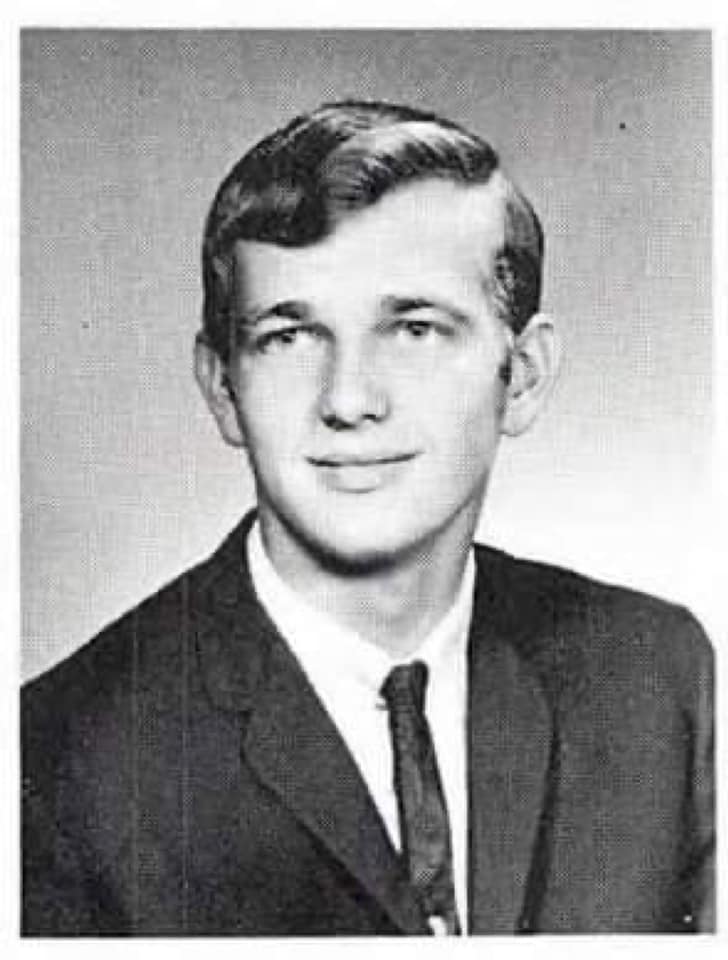
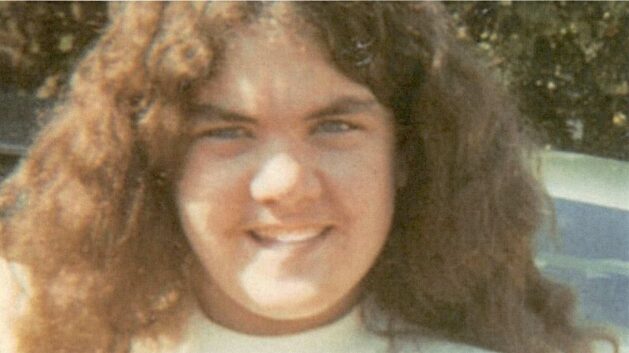
Warren Forrest in High School
A young Warren Forrest, circa 1970. Photo courtesy of Clark County Sheriff.

Between 1971 and 1974, Forrest used his charm and authority to lure vulnerable young women into his van. What followed was unspeakable — police outline a pattern of abduction, torture, and murder that spanned four years and left behind a trail of vanished voices.

Jamie Grissim. Barbara Derry. Diane Gilchrist. Krista Blake. Norma Countryman. Carol Valenzuela. Martha Morrison. Susan — “the Lacamas Lake victim.”
Their names echo through decades of silence.

Now, fifty years later, the ground beneath Dole Valley is giving up new secrets. Inside the Clark County evidence lockup sits a box — filled with vacuum sweepings from Warren Forrest’s van, collected in 1976 and never tested for DNA. Those fibers, hairs, and microscopic traces are being sent to the lab right now.
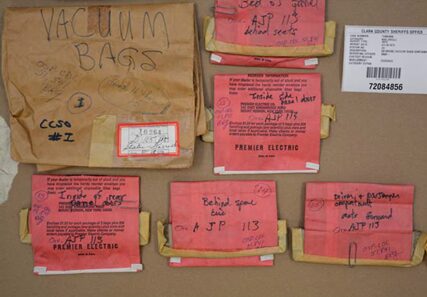
Police photo of evidence laid out on a table.
Evidence contained in vacuum bags collected from Warren Forrest’s van. Photo courtesy of Clark County Sheriff.

More than seventy hairs have been recovered. Some belong to people long dead. And one, investigators say, matches the length and color of Carol Valenzuela — whose remains were found in Dole Valley beside the body of Martha Morrison. A DNA match could link Forrest directly to Valenzuela’s murder or push him toward a confession in the five unsolved cases that have haunted Clark County for half a century.
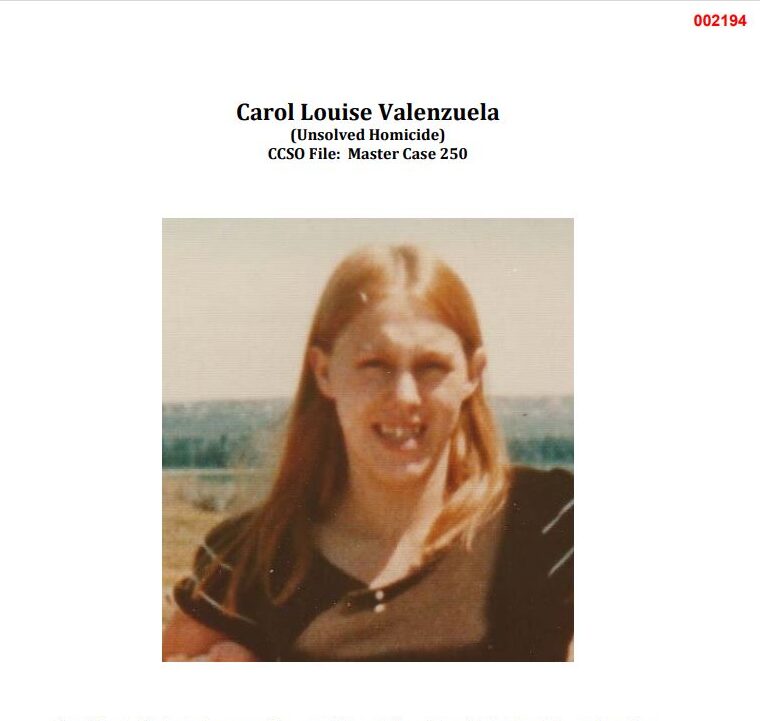
A picture of a young, blonde woman.
Police file photo of murder victim Carol Valenzuela. Photo courtesy of Clark County Sheriff.

But there’s more. A listener came forward after hearing our earlier episodes — providing contact information for a man who once claimed to have seen a woman tied to a tree in Dole Valley, bloodied and struggling, around the time Jamie Grissim vanished. He was never interviewed by police. Now, investigators are reaching out — and if his account can be verified, it could help give the K9 teams still searching for Jamie’s remains a location that will increase the chance she is found.

In addition, the case of Karen Wiles, a patient at Western State Hospital during the time Forrest was confined there, has been reopened. Her body was discovered ten miles from the hospital in 1975. For the first time since her murder, investigators have questioned Warren Forrest directly about her death.

Five decades later, the threads are tightening.
The van. The rope. The dart gun. The woods.
The evidence is still here — waiting to speak.

This is the story of what remains.
And the voices that refuse to stay silent.
The Forgotten Serial Killer

By Branden Morgan, Pie in the Sky Media

Fifty years to a verdict.

It took more than half a century to get here.

A photo of a young Martha Morrison
Undated photo of murder victim Martha Morrison. Photo courtesy of Clark County Sheriff.

The path to justice for Martha Morrison began not in a courtroom, but in a lab—when the newly recovered remains of the unidentified Dole Valley Jane Doe were tested for DNA and uploaded into the national missing persons database. That profile crossed paths with another: DNA from Martha’s brother, honoring a decades-old promise to his mother that he would never stop searching for her “baby.” The match led to an extraordinary step—exhuming Martha Morrison’s father to confirm, beyond doubt, that Martha was the young woman found in Dole Valley, lying beside Carol Valenzuela.

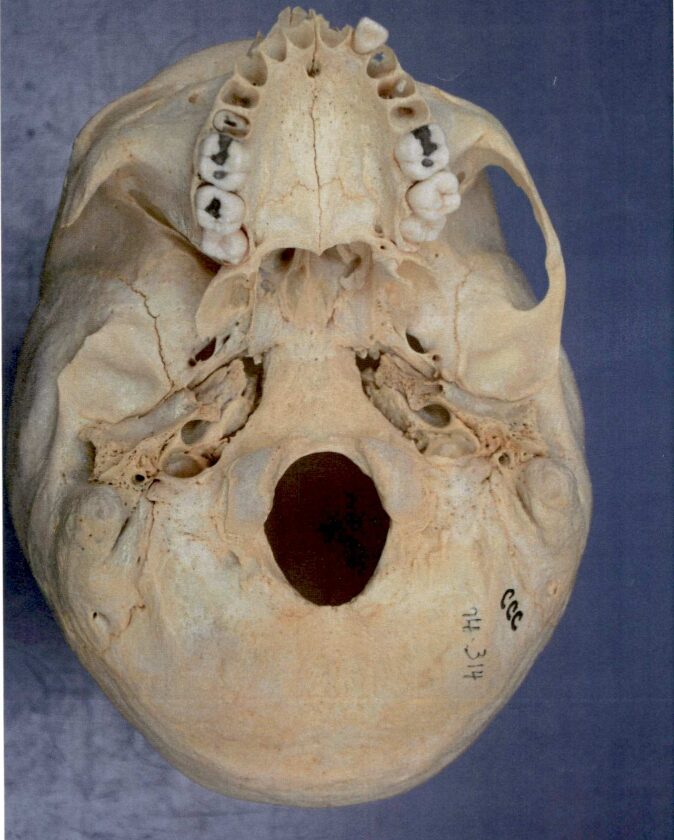
A human skull photographed by law enforcement.
Human remains determined to be the skull of murder victim Martha Morrison. Photo courtesy of Clark County Sheriff.

Her identification came at a critical moment. Warren Forrest, long suspected in multiple murders, was up for parole, still convinced no one would fight for these women. But the cold case unit wasn’t done. Among them was retired prosecutor Denny Hunter, who remembered something from the Krista Blake trial decades earlier: the dart gun Forrest used on survivor Susan was still in evidence, with a small, overlooked drop of blood on its grip. Testing revealed it belonged to Martha Morrison. Forrest was finally charged with her murder.

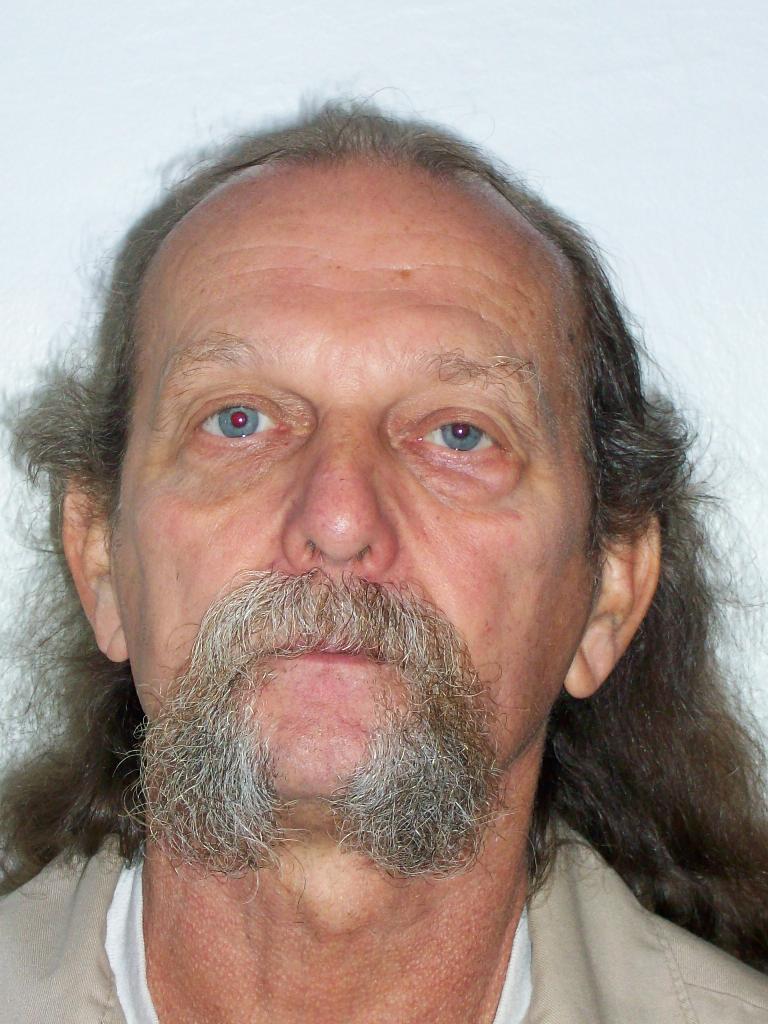
A police photo of a man with long hair and a gray mustache.
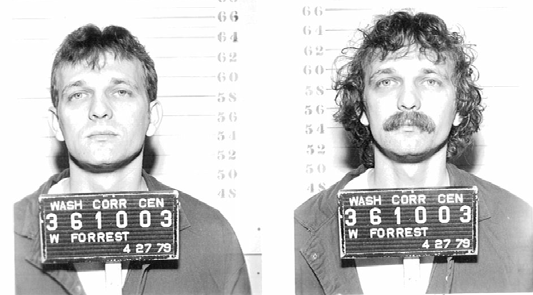
2013 Mug shot of Warren Forrest. Photo courtesy of Clark County Sheriff.

Episode 8 takes us inside the trial—a high-stakes attempt to convict a man who had eluded justice for decades. Forrest had been convicted of only one murder before this. Now, the state’s case pulled from dusty files, faded memories, and survivors’ testimony. The jury’s decision would speak not just for Martha, but for every voice silenced in Dole Valley.

The verdict is not the end. This case isn’t over.

The Squeaky Wheel

By Branden Morgan, Pie in the Sky Media

A sister’s relentless pursuit of justice.

When Jamie Grissim vanished in 1971, she left behind a younger sister—Starr. Just 14-years-old at the time, Starr didn’t just lose a sibling; she lost her anchor, her sense of safety, and the innocence of childhood.

In Episode 7, we meet the woman Starr became: a fiercely determined advocate, a self-taught investigator, and a sister who refused to let Jamie be forgotten. Hardened by a world that saw her and her sister raised in a series of foster homes, Starr took it upon herself to keep asking the questions no one wanted to answer.

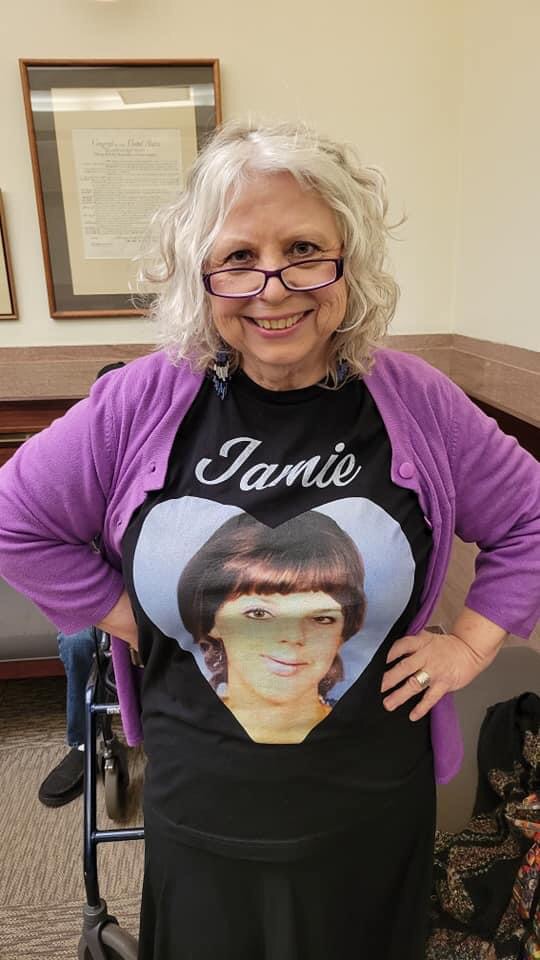
Starr in her Jamie shirt.
Starr Lara in a t-shirt bearing the face of her missing sister. Photo courtesy of Starr Lara.

This episode chronicles Starr’s decades-long journey to piece together what happened to Jamie. Through boxes of police reports, faded photographs, court documents, and haunting interviews, we witness her transformation from victim to voice.

As law enforcement dropped the case, Starr picked it up. When leads went cold, she turned up the heat. And when Warren Forrest’s name surfaced—again and again—she made it her mission to bring him to justice.

Told through Starr’s own words, this is a story about persistence, trauma, and the extraordinary bond of sisterhood. It’s also a case study in what happens when families are forced to do the work that institutions won’t.

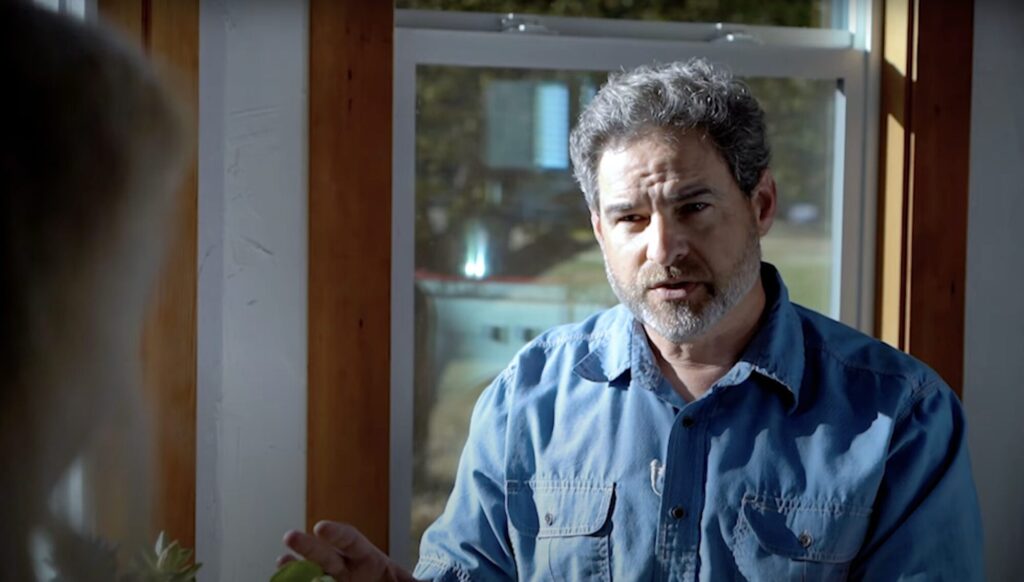
Investigator Dan Tilkin.
Dan Tilkin sits for an interview for the Stolen Voices podcast.

Starr’s investigation didn’t just give Jamie back her name—it gave an entire region a reason to reexamine its past.

In the absence of justice, she became the engine that powered it forward.

Connecting the Dots

By Branden Morgan, Pie in the Sky Media

Two victims, one killer’s woods.

Two hikers. A remote trail. A shallow grave.

In 1976, on Tukes Mountain, a grim discovery forced investigators to confront a reality they’d long overlooked. Buried in that grave was Krista Blake—a young woman whose life ended violently at the hands of Warren Forrest.

Krista had been kidnapped a week before Forrest abducted Norma Jean Countryman. When he tied Norma between two trees in that same patch of woods, Krista’s body was already lying in the earth just feet away. The proximity of those two crimes—the living victim and the one already gone, plus his horrific crimes against Susan (the Lacamus Lake victim) —would later become a chilling hallmark of Forrest’s calculated brutality.

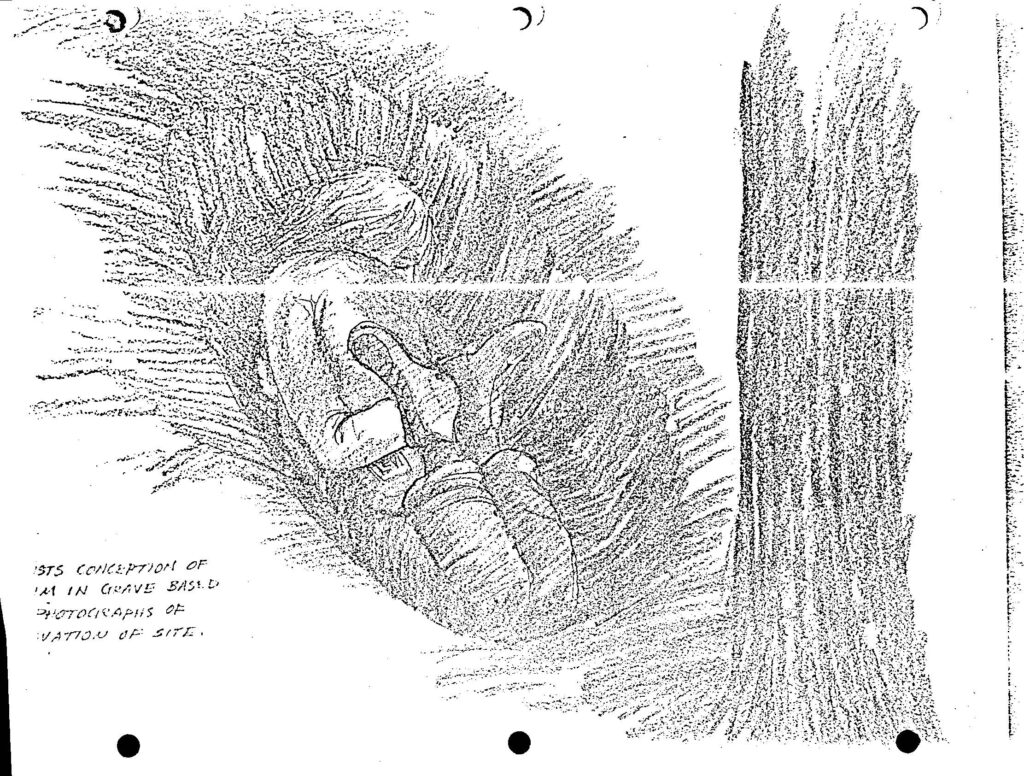
A police sketch of a body in a shallow grave.
Forensic artist’s rendering of Krista Blake body position in shallow grave. Photo courtesy of Clark County Sheriff’s Office.

The search for answers in Krista’s case exposes more than just a killer’s pattern. It reveals the investigative blind spots of the era—leads overlooked, evidence left to gather dust, and connections that should have been made years earlier.

Drawing on interviews with investigators, forensic experts, and those who loved Krista, this episode reconstructs her final days and the circumstances that kept her case from closure for years. Krista’s story becomes a crucial link in the chain of crimes attributed to Forrest, tying together timelines, victims, and locations in a way that investigators could no longer ignore.

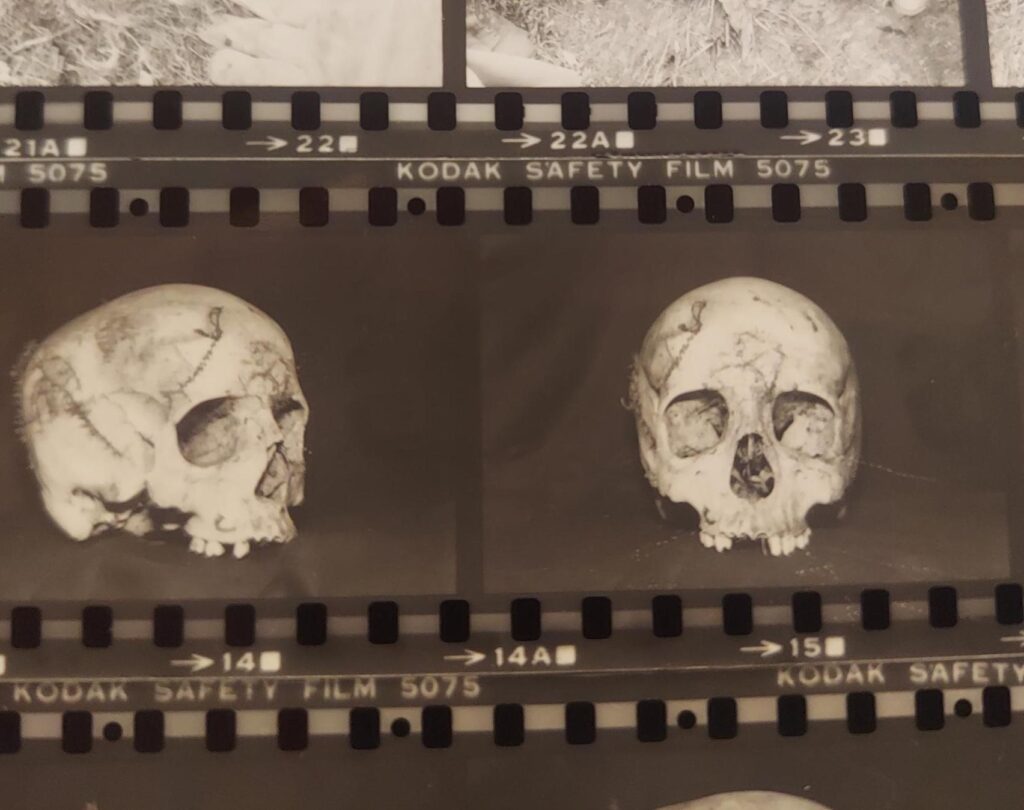
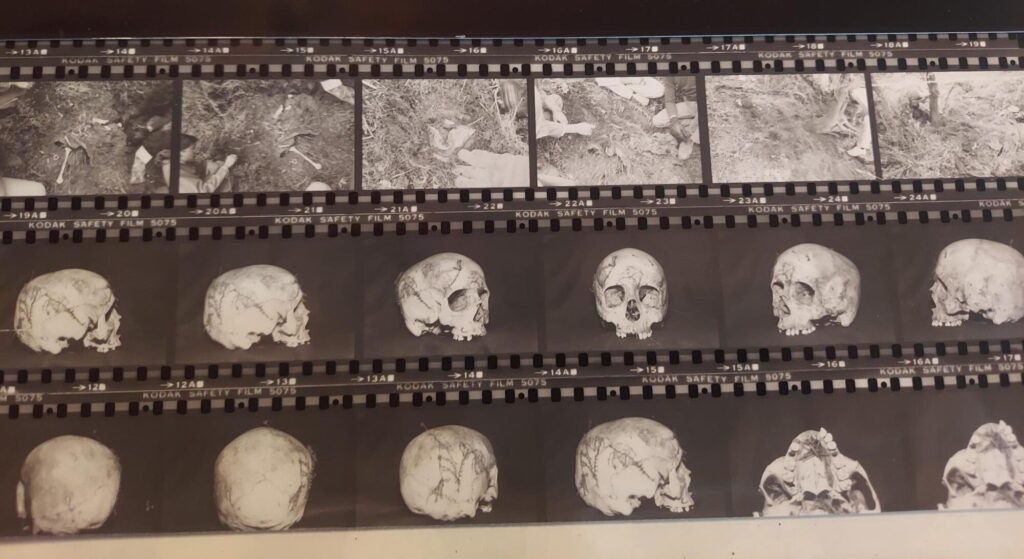
Police photo of a human skull.
Police evidence negative of Krista Blake skeletal remains. Photo courtesy of Clark County Sheriff’s Office.

Her recovery is both a breakthrough and a tragedy—a moment when the dots finally begin to connect, but only after decades of silence when answers should have been discovered over the years.

The Good-Looking Stranger

By Branden Morgan, Pie in the Sky Media

The neighbor no one suspected.

To his neighbors, Warren Forrest was a doting father, a handsome husband, and a Vietnam veteran who drove a blue Ford van. He was quiet, polite, and always willing to help. He didn’t drink. He kept to himself. On the surface, he looked like the picture of postwar normalcy.

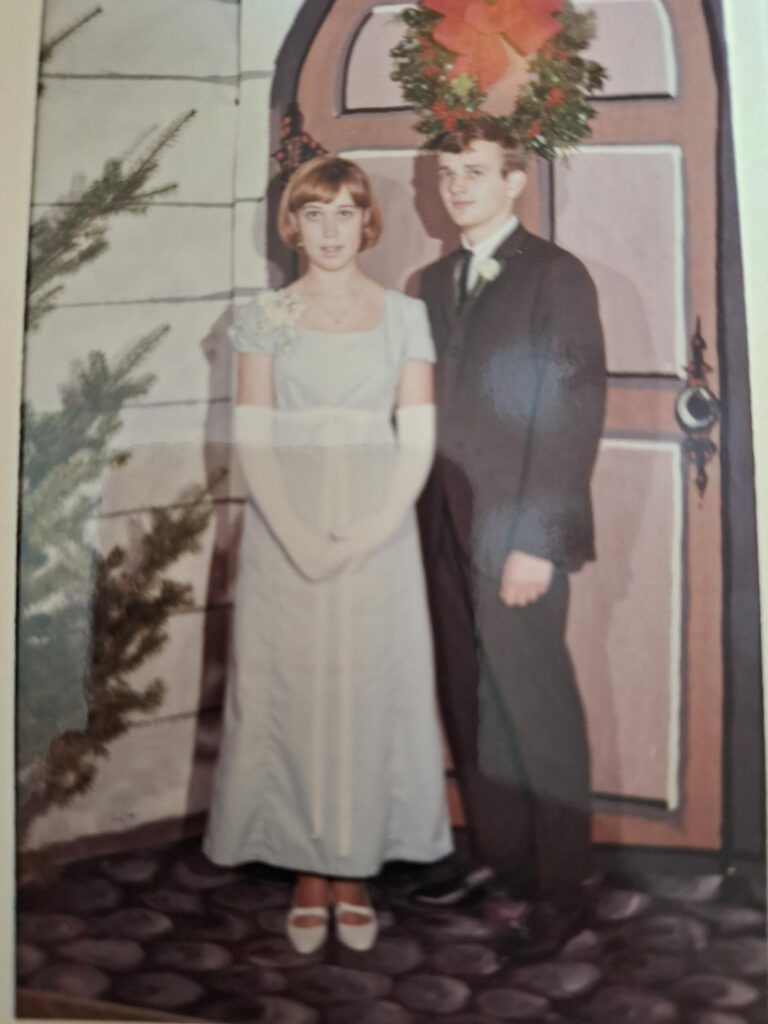
A young couple dressed up.
Warren Forrest on his wedding day. Photo courtesy of Clark County Sheriff’s Office.

But what happens behind closed doors—and beneath layers of social camouflage—is something else entirely.

In Episode 5, the Stolen Voices team digs into Forrest’s carefully curated double life and examines how his charm and ability to manipulate people allowed him to gather enough signatures from the staff at Western State Mental Hospital to secure his early release. Drawing from interviews with those who knew him, court records, and police reports, reveals a portrait of a man who straddled the line between model citizen and monstrous predator.

This episode examines how charm, presentation, and social bias can cloud even the most obvious danger. We explore Forrest’s employment with Clark County, his access to parks and remote land, and how his family life shielded him from suspicion. To some he was just a good-looking neighbor, helpful and friendly.

In January of 1975 Forrest was found not guilty by reason of insanity for the attack on the woman we are calling Susan, whom he kidnapped, stabbed and left for dead in a shallow grave. He was institutionalized at Western State Mental Hospital. While at Western, a fellow patient, a young woman named Karen Wiles, was found murdered less than 10 miles from the hospital, but Forrest was not interviewed as a suspect, despite having access to a vehicle during his stay at Western.

A police photo of a human skeleton
Human remains discovered in the vicinity of Western State Mental Hospital. Photo courtesy of Clark County Sheriff’s Office.

In episode 5 listeners also hear from surviving relatives and law enforcement officials who would come to see past the façade—and uncover a chilling truth. Warren Forrest didn’t just blend in. He weaponized trust.

By the time police caught up to him, the damage was done. Multiple young women had vanished, the suspected work of Warren Forrest. Others, like Norma Jean and Susan, were left holding the trauma—and the truth.

The monster in the woods didn’t look like a monster. He looked like a neighbor.

Her Grave

By Branden Morgan, Pie in the Sky Media

The survivor who refused to stay silent

It started with a walk in the sun. A young woman recently returned from studying abroad, enjoying a gap year after two years of college, was out for a walk. She was enjoying the Portland sunshine when she was approached by a handsome stranger who claimed to be a student photographer. Would she like to model for him? He’d pay her, of cours. She climbed into his van and disappeared.

In Episode 4, we follow the story of Susan—a name we use to protect her privacy—who encountered a man offering a ride. What followed was a nightmare: an abduction, a drive deep into the woods, and a brutal assault that ended with her left for dead in a shallow grave.

But Susan wasn’t dead.

She woke beneath the logs and branches that had been piled on her. Crawled out. Staggered through the brush. Made it back to safety. Her survival was miraculous—and this time, law enforcement acted quickly. Warren Forrest, a Clark County Parks and Rec employee, was arrested the next morning. But this begs the question; why was this victim believed but Norma wasn’t?

The details of her attack eerily mirror those from Norma Jean’s case. A similar van. A similar weapon. A familiar MO. Still, law enforcement didn’t connect the dots.

Even when two more bodies were found in Dole Valley.

This episode reveals Susan’s story using archival audio, first-hand testimony, and law enforcement interviews. Her escape was not just an act of strength—it was a chance to stop Warren Forrest before he struck again.

A police mug shot.
Warren Forrest mugshot. hot courtesy of Clark County Sheriff’s Office.

This time the investigation was thorough; they had their man. Without question. Susan’s survival and her behavior throughout her recovery was nothing short of heroic. And still, Warren Forrest was found not guilty by reason of insanity and committed to Western State Mental Hospital. This failure by the justice system – they never had their own experts interview Warren Forrest – would only lead to more anguish. And the discovery of another victim.

Susan didn’t just survive. She bore witness. And in doing so, she joined a growing sisterhood of voices that the world has not heard.

Until now.

The “What Ifs”

By Branden Morgan, Pie in the Sky Media

Ignored survivor, prolific killer.

Norma Jean Countryman escaped her abductor at age 15. She went to the police. She gave them everything: his name, his face, his van, the ropes, the weapon. But no one believed her. Not then. Not when it counted. And in the silence that followed, more girls would vanish.

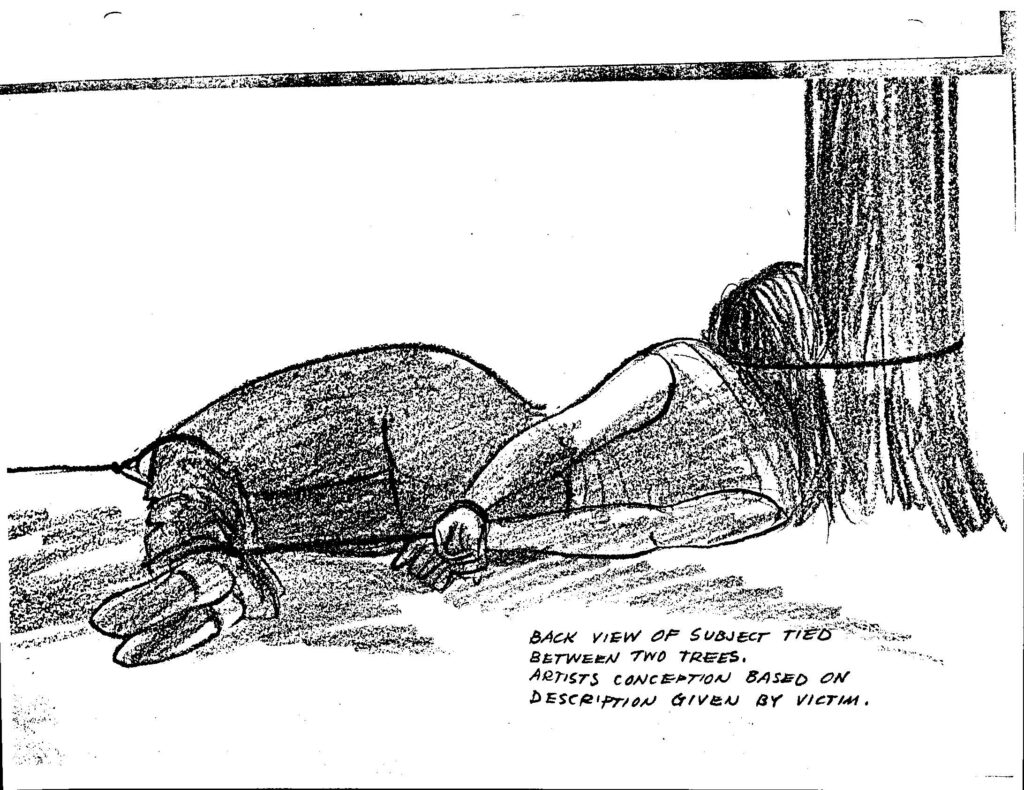
Police sketch of a woman bound to a tree.
Artists rendering of Norma Jean Countryman bound to a tree in Dole Valley. Photo provided by Clark County Sheriff’s Office.

Episode 3 of Stolen Voices of Dole Valley examines the path of a serial killer following Norma’s report in July of 1974, likely emboldened by the fact that she wasn’t believed. We trace his escalating behavior, the way he adapted, evaded, and hid in plain sight. Through interviews with former detectives, survivors, and legal experts, we see how red flags were ignored, patterns overlooked, and dots left tragically unconnected.

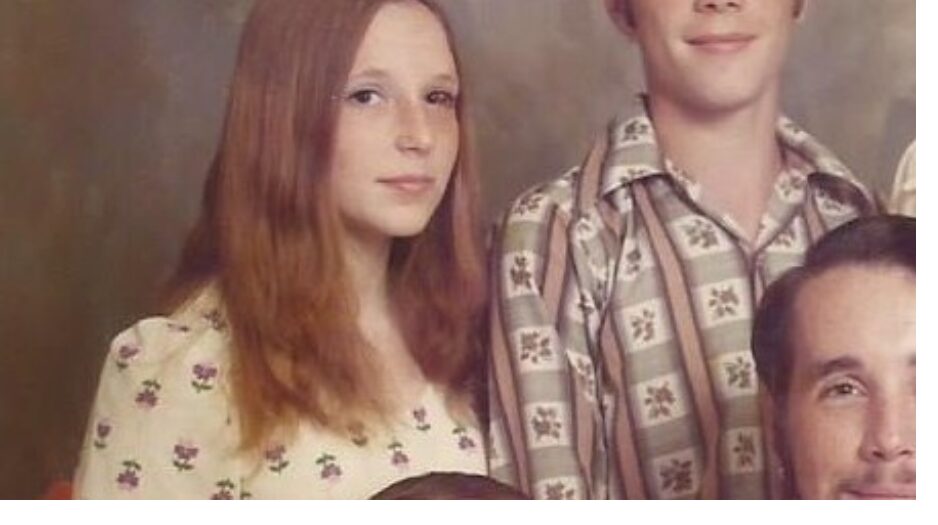
Cropped photo of the Countryman family.
Norma Jean Countryman in the weeks after her attack, July 1974. Photo provided by Norma Jean Countryman.

Norma’s voice becomes a warning that went unheard. Her survival could have stopped a serial predator in his tracks. Instead, it marked the beginning of a much larger failure.

Listeners will come to understand the emotional toll of carrying a truth no one wants to hear—and the weight of responsibility when that truth is finally acknowledged, far too late.

What if they had listened?

What if they had believed her?

What if one voice—heard in time—could have saved them all?

Just A Girl

By Branden Morgan, Pie in the Sky Media

Is it D.B. Cooper? An unidentified victim, an unlikely place.

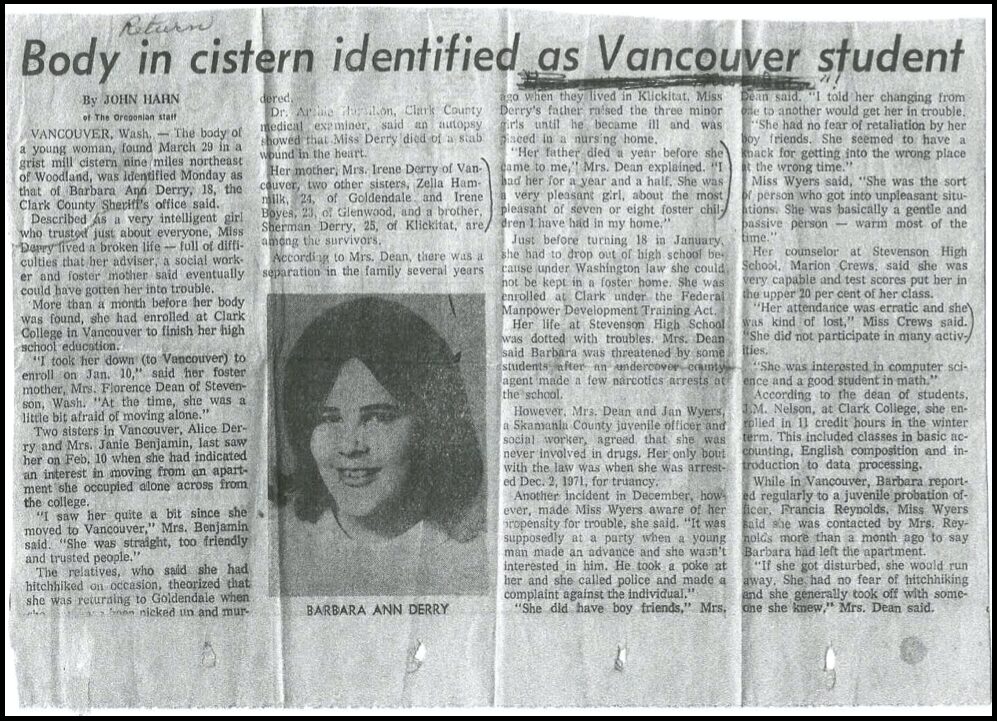
A newspaper article detailing a murder victim.
News coverage of the identification of Barbara Derry. Photo provided by Clark County Sheriff’s Office.

It began at the old Grist Mill in rural Clark County. A group of kids, passing the time on a gray afternoon, hurled rocks at the base of a rotting grain silo. One stone struck with a hollow thud, and something rolled out—something small, pale, and unthinkable. A human hand.

The remains belonged to Barbara Derry, an 18-year-old whose life was violently ended with a single stab to the heart. Her family’s grief was immediate and consuming—but as days turned to months, and months to years, that grief began to mix with a corrosive sense of betrayal. The investigation faltered, leads evaporated, and Barbara’s case went cold.

Too heartbroken to speak publicly, Barbara’s Derry’s last living sibling, Ilene, refused to share her story and tried to prevent her daughter, Jauna—Barbara’s niece—from speaking out. But Jauna had a story to tell. Jauna described the fond memories of the teenage girl she shared a bunkbed with, the void her murder left behind, and the disappointment that justice never came.

Later, Barbara’s name resurfaced—this time in connection to a man suspected of killing multiple women in Dole Valley. Investigators now believe Barbara may have been one of his earliest victims, her murder an ominous prologue to the violence that followed.

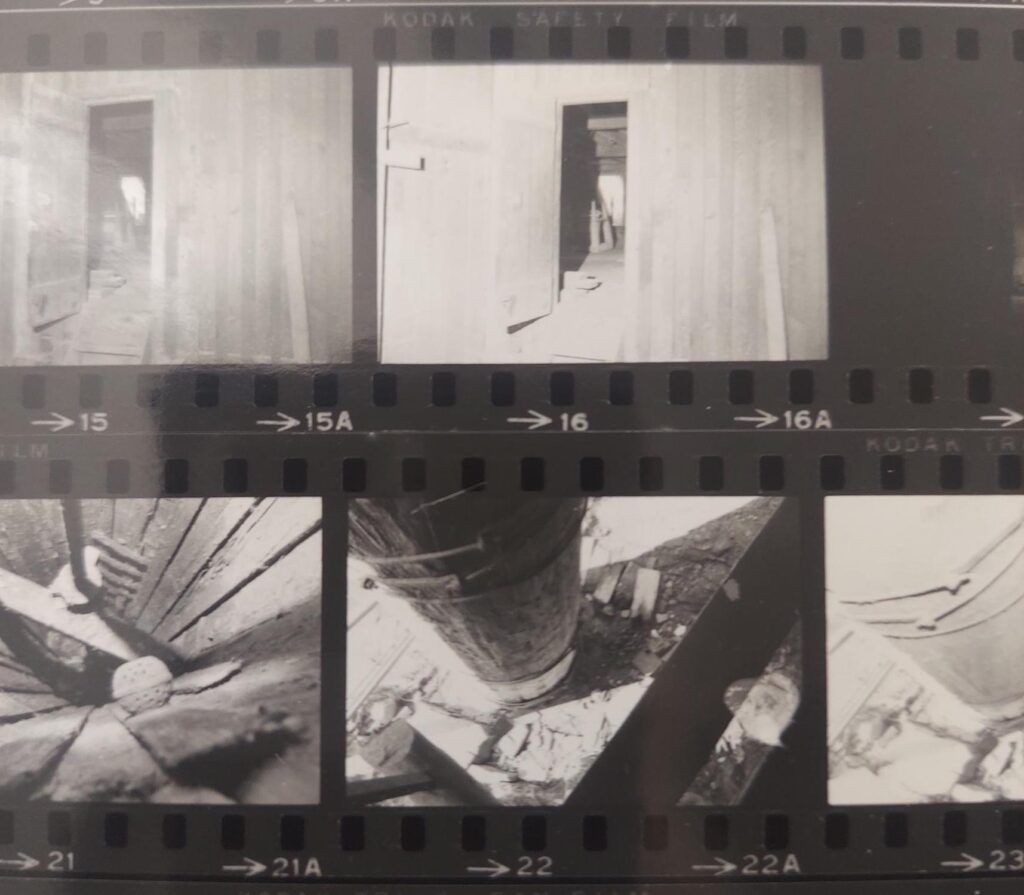
Back and white images of the interior of a crumbing mill.
Grist Mill interior. Photo provided by Clark County Sheriff’s Office.

This episode revisits the chilling discovery at the Grist Mill, traces the life and loss of Barbara Derry, and examines how her unsolved case fits into the broader hunt for one of the Pacific Northwest’s most elusive suspected serial killers.

The Ties That Bind

By Branden Morgan, Pie in the Sky Media

The disappearance of Jamie Grissim

Common, knotted rope.
The type of rope used to bind Norma Jean Countryman.

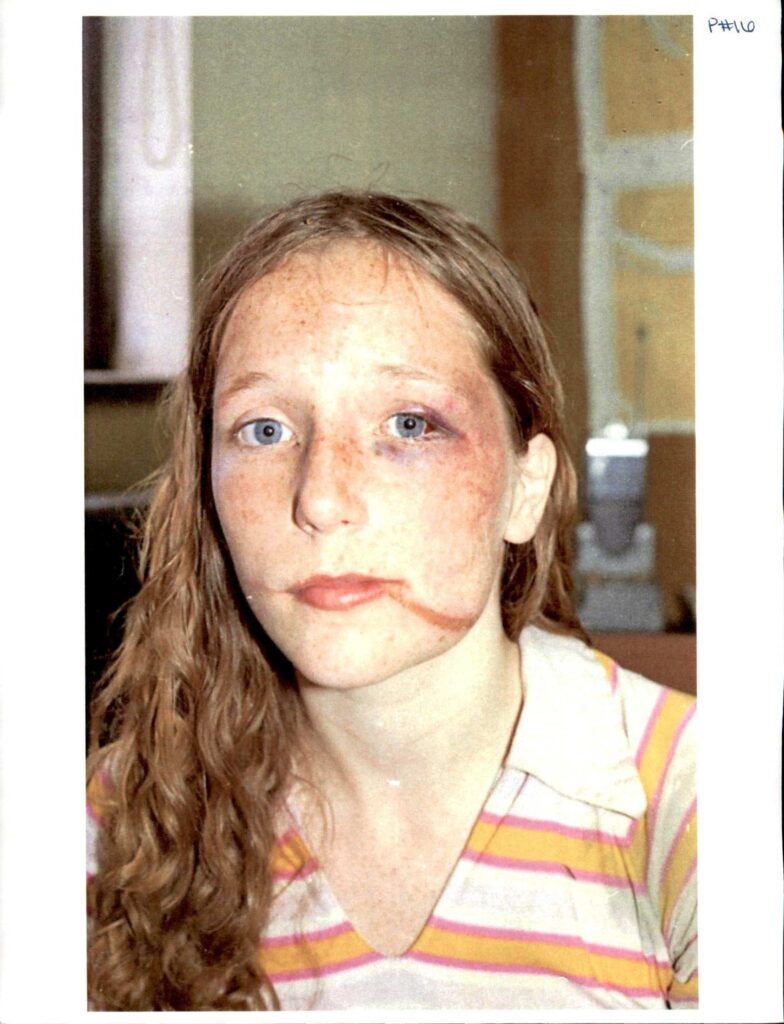
Rope. It’s the first image we’re given—and the metaphor that runs through the entire story. In the opening episode of Stolen Voices of Dole Valley, we meet Norma Jean Countryman, a 15-year-old girl abducted in the summer of 1974. She’s bound with coarse rope, gagged, and strung between two trees like a human hammock in the forests of southern Washington.

Norma is left there by a stranger. Her life depends on what she’s willing to do to survive. With her jaw clamped around the gag, she begins to chew. One strand breaks. Then another. Then another. It’s a painful, desperate escape—but she makes it out alive.

A girl with a bruised face and rope burn
Norma Jean Countryman. Photo: Clark County Sheriff’s Office.

That’s only the beginning. Norma tells police everything. The blue van. The man. The weapon. The ropes. But she’s not believed. They question her entire story. They say she’s troubled. Maybe even lying. Her report is ignored—and with that, the serial predator who kidnapped her is allowed to roam free.

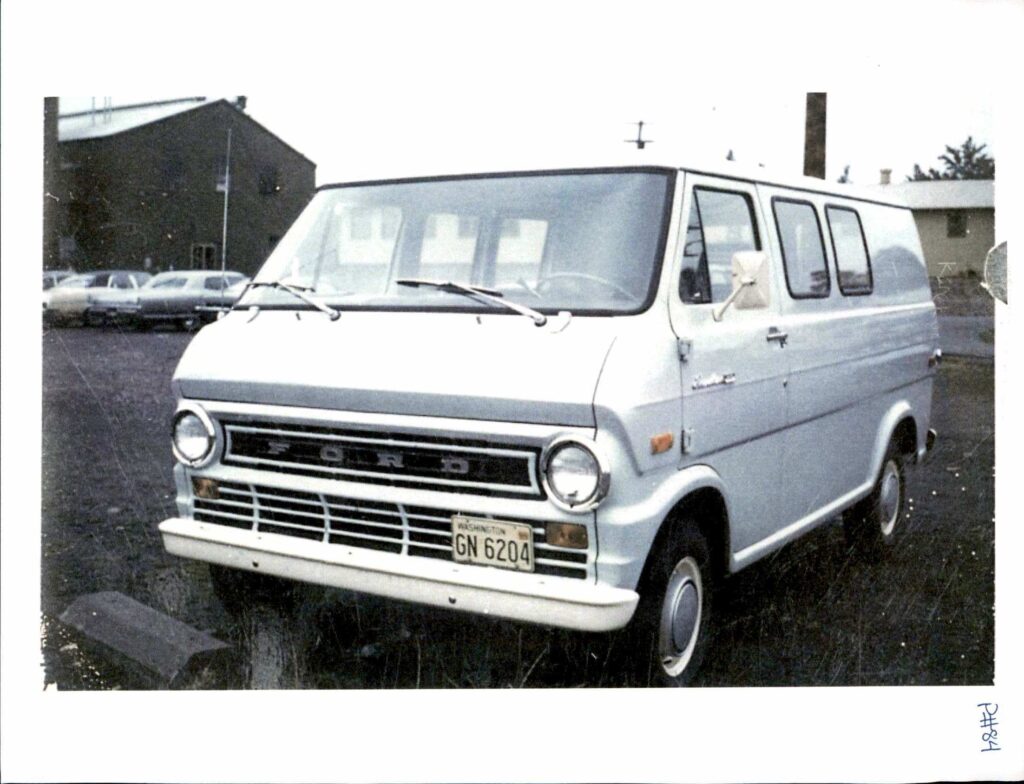
A light blue Ford van.
A 1972 Ford Econoline van. Photo: Clark County Sheriff’s Office.

This episode introduces not just Norma’s harrowing story of survival, but the first glimpse into a decades-long pattern of dismissal, neglect, and failure by law enforcement. Through archival audio and interviews with Norma—then and now—listeners begin to understand how a system meant to protect the vulnerable can often do the opposite.

Her rope may have broken that day, but the psychological bind has lasted for decades.

Stolen Voices of Dole Valley begins here—with one girl, one rope, and a truth no one wanted to hear. 

But to understand the depths of this case we have to go back to the beginning, with the disappearance of 16-year-old Jamie Grissim. Hear her story in episode 1.

A Serial Killer You’ve Never Heard Of

By Branden Morgan, Pie in the Sky Media

Introducing Stolen Voices of Dole Valley


Stolen Voices of Dole Valley is a haunting investigative podcast series from Pie in the Sky Media, KSL Podcasts and Lemonada Media, hosted by Carolyn Ossorio. With immersive storytelling, archival tape, and survivor interviews, the show revisits one of the darkest, most under-reported serial predator cases in the Pacific Northwest.

The series begins in the early 1970s, when 16-year-old Jamie Grissim vanishes from her foster home in Vancouver, Washington. She would become the first suspected victim in a string of disappearances and murders stretching across rural Clark County. For years, the cases remained unconnected—the victims dismissed as runaways, their investigations forgotten in filing cabinets, or ignored altogether.

At the center of this story is Norma Jean Countryman, a 15-year-old girl who escaped her abductor by chewing through the ropes that bound her. Her account, dismissed by police at the time, holds the key to understanding the scale and method of a predator hiding in plain sight.

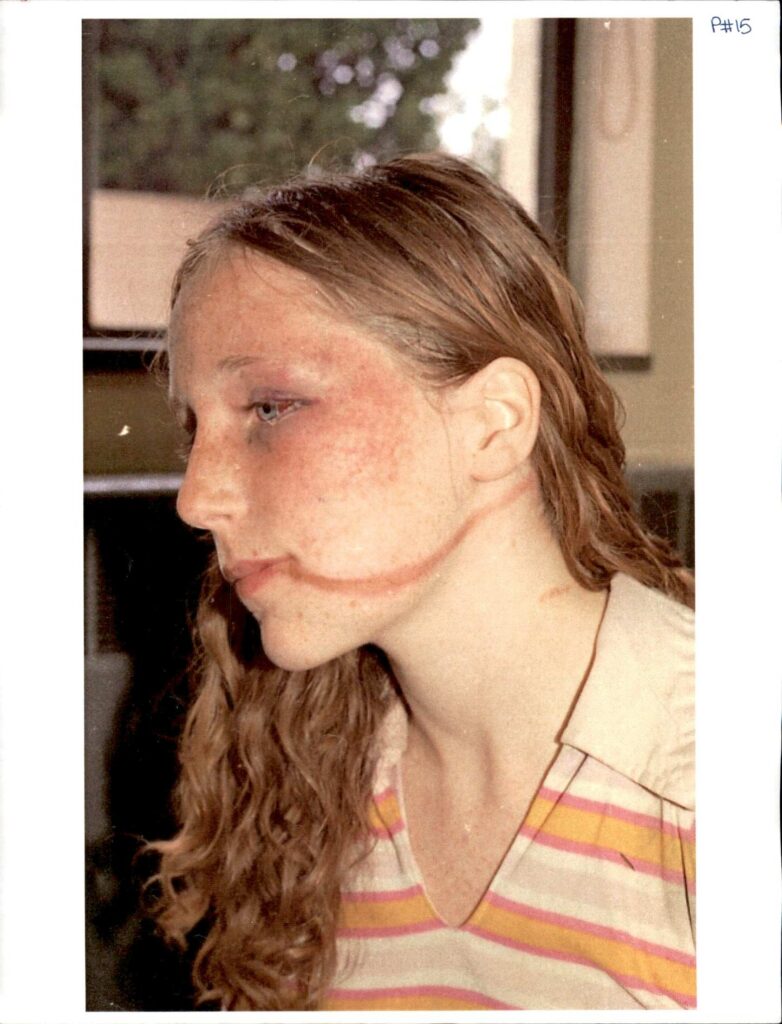
Young girl with rope burns on her bruised face.
Police photo of Norma Jean Countryman. Photo provided by Clark County Sheriff’s Office.

Through meticulous reporting and the raw testimony of survivors and family members, Stolen Voices of Dole Valley brings long-buried stories to light. From a body in a silo mistaken for D.B. Cooper to a grieving sister who becomes a tireless advocate, each episode builds toward justice—and reckoning.

Over 50 years after the first disappearance, this series uncovers systemic failures, cultural blind spots, and the fierce resilience of those left behind. In a community desperate for closure, these voices—once ignored—finally speak for themselves.

Follow the show now so you don’t miss an episode. Find us on social at @stolenvoicespod.